How do expectations affect economic decisions? The recent “inclusionary zoning” imbroglio at Toronto City Hall offers an interesting case study.
On October 22, 2021, the City’s Planning and Housing Committee approved the Inclusionary Zoning amendments, which would go up to vote in City Council on November 9th.
This news was seen as a surprise to many developers, as evidenced by the flurry of activity in the three weeks leading up to the November 9 City Council meeting. Dozens of new Condominium Approvals were being submitted per week; a huge increase, as the trend had been for only a handful of these applications per week.
The new rules go into effect in September 2022. This date must also have been a surprise to developers, because the day after the vote there was an immediate drop in the number of new Condo Approval applications being submitted per week.
As part of my work with UrbanToronto.ca, I have access to all the city planning and permitting data as they come in. This lets me chart and quantify this surprise. (If you’re interested in getting a summary of this data sent to your inbox daily, check out the New Development Insider. This report was first published there!)
Before delving into the charts, a bit of background info:
Continue reading “Expectations and Applications”
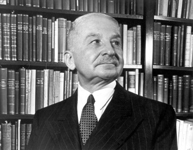 It always struck me as strange that such a great and important thinker as Ludwig von Mises, whose last posthumous work was published in 2012, did not have a dedicated and comprehensive anthology. Since I personally have a significant interest in “what Mises said” on this or that topic, it also frustrated me that there was no simple online resource available where I could do this—despite so much of Mises’s works being available online.
![Ludwig_von_Mises[1]](https://ashnavabi.com/wp-content/uploads/2019/11/ludwig_von_mises1.jpg) Both economic decisions and political decisions involve choices and tradeoffs. The difference is that economic decisions are ultimately informed and rely upon monetary prices, revenues and costs. Political decisions, meanwhile, do not depend on market outcomes—they can be based on love, legacy, favors, or establishing power relations.
Both economic decisions and political decisions involve choices and tradeoffs. The difference is that economic decisions are ultimately informed and rely upon monetary prices, revenues and costs. Political decisions, meanwhile, do not depend on market outcomes—they can be based on love, legacy, favors, or establishing power relations.
 Ash Navabi